Pioneering
3D-Printed
Propulsion
NEAL Aerospace is developing research into hybrid rocket engines utilizing 3D-printed ABS fuel grains. Our Remus engine targets 3 kN thrust, with testing planned for the near future to validate our innovative designs.
Modular Testing
Infrastructure
Ostia is our modular test stand. Designed for flexibility, it allows for rapid and safe testing of various propulsion systems, including our Remus hybrid rocket.
Green
Propulsion
The Cyclopes engine leverages hydrogen peroxide monopropellant technology, offering clean combustion with water vapor and oxygen as the only byproducts.
Achievements Unlocked
Remus Rocket
The world's first undergraduate student-designed hybrid rocket engine featuring a revolutionary 3D-printed fuel grain system.
Technical Data
Propulsion System
Hybrid rocket engine using a 3D-printed ABS fuel grain with N₂O oxidizer
Peak Thrust
3 kN (3,000 Newtons) design goal
Fuel Grain Geometry
3-inch diameter, 15-inch length optimized for maximum performance
Specific Impulse
227 seconds, optimized for hybrid propulsion efficiency
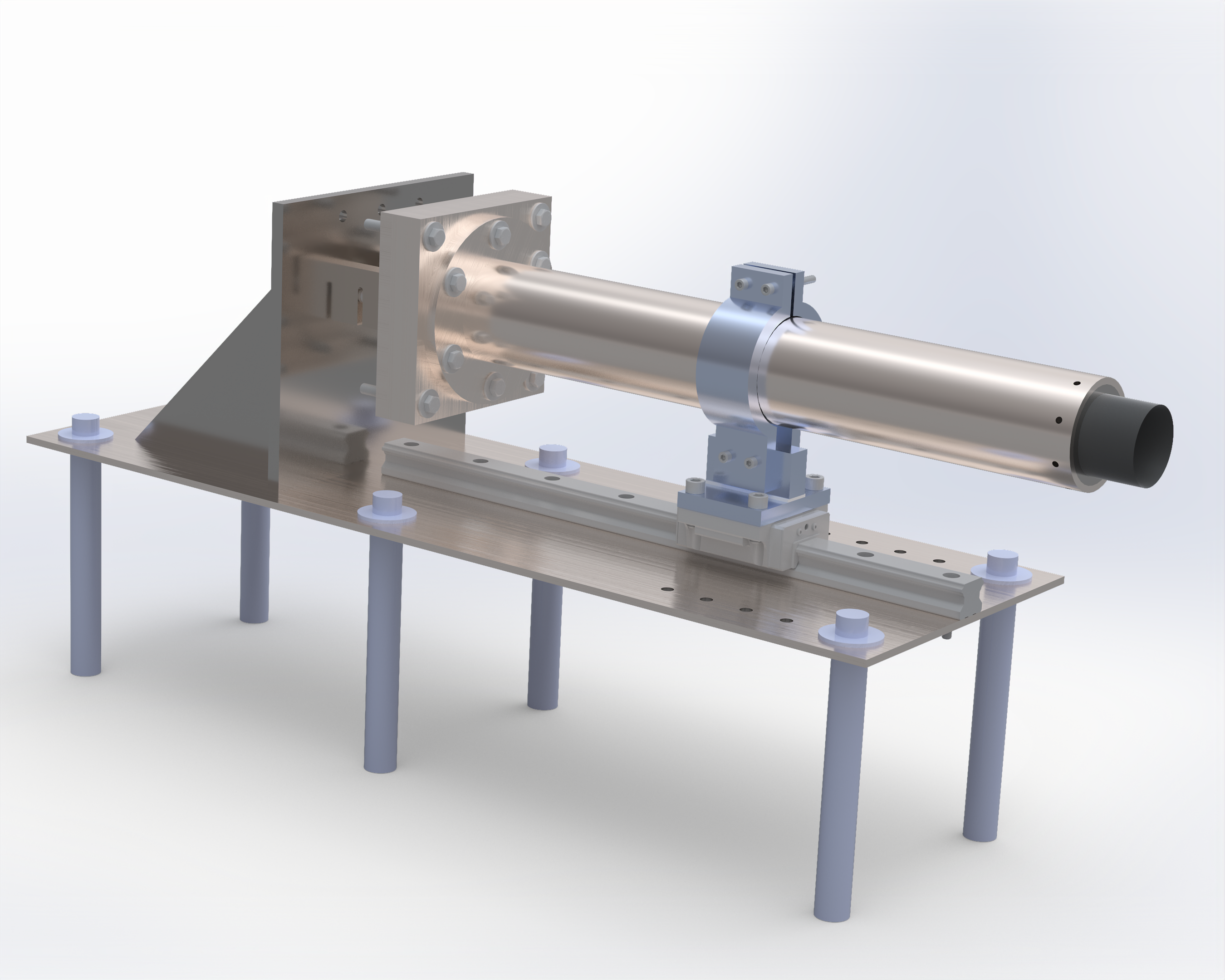
Fuel Grain
Intricate Geometries
Easy to implement complex grain shapes with additive manufacturing.
Repeatable & Accurate
3D printing delivers highly repeatable grains with tight tolerances.
Rapid Optimization
Print–test–reprint workflow makes it easy to iterate toward optimal performance versus traditional casting.
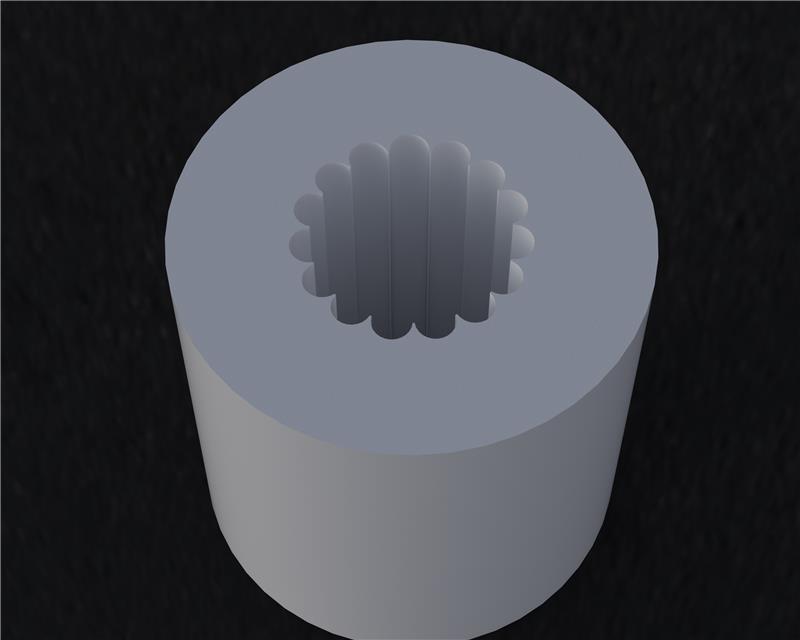
Ostia Test Stand
A modular testing infrastructure designed for safe and efficient validation of multiple propulsion systems.
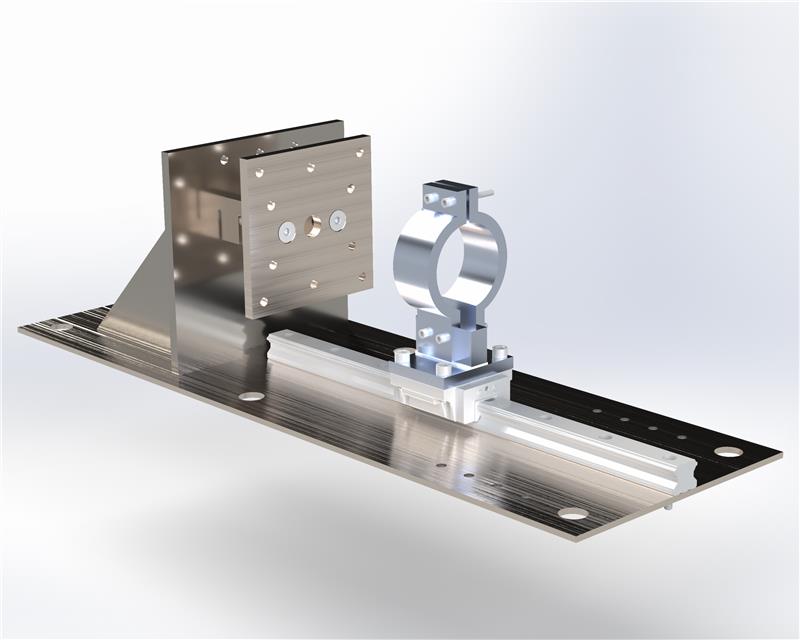
Mobile Testing Platform
Ostia is a mobile rocket test stand designed to accommodate various propulsion systems in a horizontal configuration. The system features two main components: a robust steel mount for propulsion devices and a dedicated fluids cart housing all necessary plumbing infrastructure.
Horizontal Test Configuration
Optimized mounting system for safe and efficient engine testing
Advanced Data Acquisition
Real-time monitoring of thrust, pressure, temperature, and vibrational data
Mobile & Modular
Portable design with integrated fluids cart for field testing flexibility
Multi-System Compatibility
Engineered to support various propulsion systems from hybrids to monopropellants
Data Acquisition Capabilities
Thrust Measurement
Precision load cells for accurate thrust profiling
Temperature Data
Multi-point thermal monitoring systems
Pressure Sensing
Real-time chamber and line pressure tracking
Vibration Analysis
Advanced vibrational data collection
Cyclopes Engine
An environmentally responsible propulsion system powered by hydrogen peroxide monopropellant technology.
The Future of Green Propulsion
The Cyclopes engine represents our commitment to sustainable aerospace innovation. Hydrogen peroxide monopropellant decomposes into water vapor and oxygen, making it one of the cleanest propulsion solutions available.
Zero Emissions
Combustion produces only water vapor and oxygen—zero toxic emissions or environmental pollutants
Green Chemistry
Non-toxic propellant that's safer to handle and store compared to traditional rocket fuels
Sustainable Future
Pioneering environmentally responsible propulsion for the next generation of aerospace
Efficient Catalyst
Advanced catalyst systems for maximum propellant utilization and specific impulse
Voron Drone
An autonomous aerial platform in development for resilient guidance, navigation, and control, mission ISR, and rapid disaster relief support.
Autonomy for Critical Missions
Voron is being developed as a versatile drone platform for operations where speed, situational awareness, and reliability matter most. The system is focused on autonomous flight, intelligence, surveillance, and reconnaissance, and mission support for disaster relief environments.
Autonomous Guidance, Navigation, and Control
Advanced onboard autonomy is being designed to enable stable flight, waypoint tracking, adaptive routing, and mission execution with minimal operator workload.
Intelligence, Surveillance, and Reconnaissance
Voron is intended to provide rapid aerial awareness through ISR mission profiles, helping teams collect actionable information over complex or hard-to-reach terrain.
Disaster Relief Support
The platform is being envisioned for disaster response scenarios where it can assist with search operations, damage assessment, route scouting, and support for time-critical relief efforts.
Modular Mission Architecture
A flexible system architecture will allow Voron to evolve with new sensors, autonomy stacks, and payloads as mission requirements grow.
About NEAL Aerospace
Pioneering the future of aerospace technology at Georgia Tech.
Our Mission
NEAL Aerospace is dedicated to advancing student-led aerospace research. We develop innovative propulsion systems while providing hands-on engineering experience to Georgia Tech students.
Our Story
Founded at Georgia Institute of Technology, NEAL Aerospace began with a simple but ambitious goal: to design and test a hybrid rocket engine using cutting-edge 3D printing technology.
What started as a small group of passionate engineering students has grown into a multidisciplinary team tackling the unique challenges of 3D-printed ABS fuel grains for hybrid rocket propulsion. We're working toward our first test firing—the next exciting chapter in our journey.

Our Teams
Propulsion
Engine design, testing, and optimization
Structures
Airframe and component design
Hardware
Electronics, sensors, and control systems
Our Values
Innovation
Pushing boundaries with creative solutions to complex engineering challenges
Safety
Maintaining the highest safety standards in all testing and operations
Excellence
Striving for technical excellence and continuous improvement
Want to Join Our Team?
Our Sponsors
Our achievements are made possible by the generous support of our sponsors and partners.
Interested in Sponsoring?
Contact us to discuss sponsorship opportunities and help fuel our next milestones.
Join NEAL Aerospace
Be part of something extraordinary. Join Georgia Tech's premier aerospace research organization.
Why Join NEAL?
Hands-On
Work on real aerospace projects from design to test
Learn & Grow
Develop technical skills beyond the classroom
Network
Connect with like-minded engineers and industry pros
Impact
Contribute to cutting-edge aerospace research
Open Positions
Electrical & Hardware
Data & Electronics Division
Build and maintain data acquisition, sensors, and test electronics (DAQ, wiring, telemetry). Comfortable with hardware bring-up and basic scripting.
Business & Operations
Operations Division
Manage sponsorships, outreach, and team operations. Strong communication and organizational skills required.
Financial Officer
Operations Division
Handle SOFO purchasing, budgeting, and reimbursements. Coordinate with suppliers and ensure compliant spend tracking.
Application Flow
APPLY
Submit your application online
INTERVIEW
Meet with team leads
ONBOARD
Complete safety training
LAUNCH
Begin working on projects
Requirements
- Currently enrolled at Georgia Institute of Technology
- Passion for aerospace and engineering
- Commitment to team meetings and project deadlines
- Willingness to learn and collaborate
- All majors welcome — we value diverse perspectives!
Ready to Apply?
Recruitment opens at the beginning of each semester
Contact Us
Get in touch for sponsorships, media inquiries, recruitment, or general questions.
Send a Message
Get In Touch
contact@nealaerospace.com
We typically respond within 24-48 hours
📍 Location
Georgia Institute of Technology
Atlanta, GA 30332
United States
🕒 Office Hours
Monday - Friday: 9:00 AM - 5:00 PM EST
(During Academic Semesters)
Follow Us


Quick Links
Sponsorships
Learn about partnership opportunities
Join the Team
Explore open positions
Media Kit
Download press materials
About Us
Learn about our mission
Welcome to
NEAL CASINO
🚀 For entertainment purposes only • No real money • Powered by aerospace engineering
Casino Games
Blackjack
Beat the dealer to 21
Roulette
Pick your lucky number
Slots
Spin for riches
Video Poker
Jacks or better
Plinko
Drop & win big
Quick Games
Dice
Over/under betting
Mines
Find the gems
Crash
Cash out in time
Limbo
Beat the target
HiLo
Higher or lower
Your Stats
0
Games Played
0
Wins
0
Losses
$0
Biggest Win